


The Line Which Carries Memory
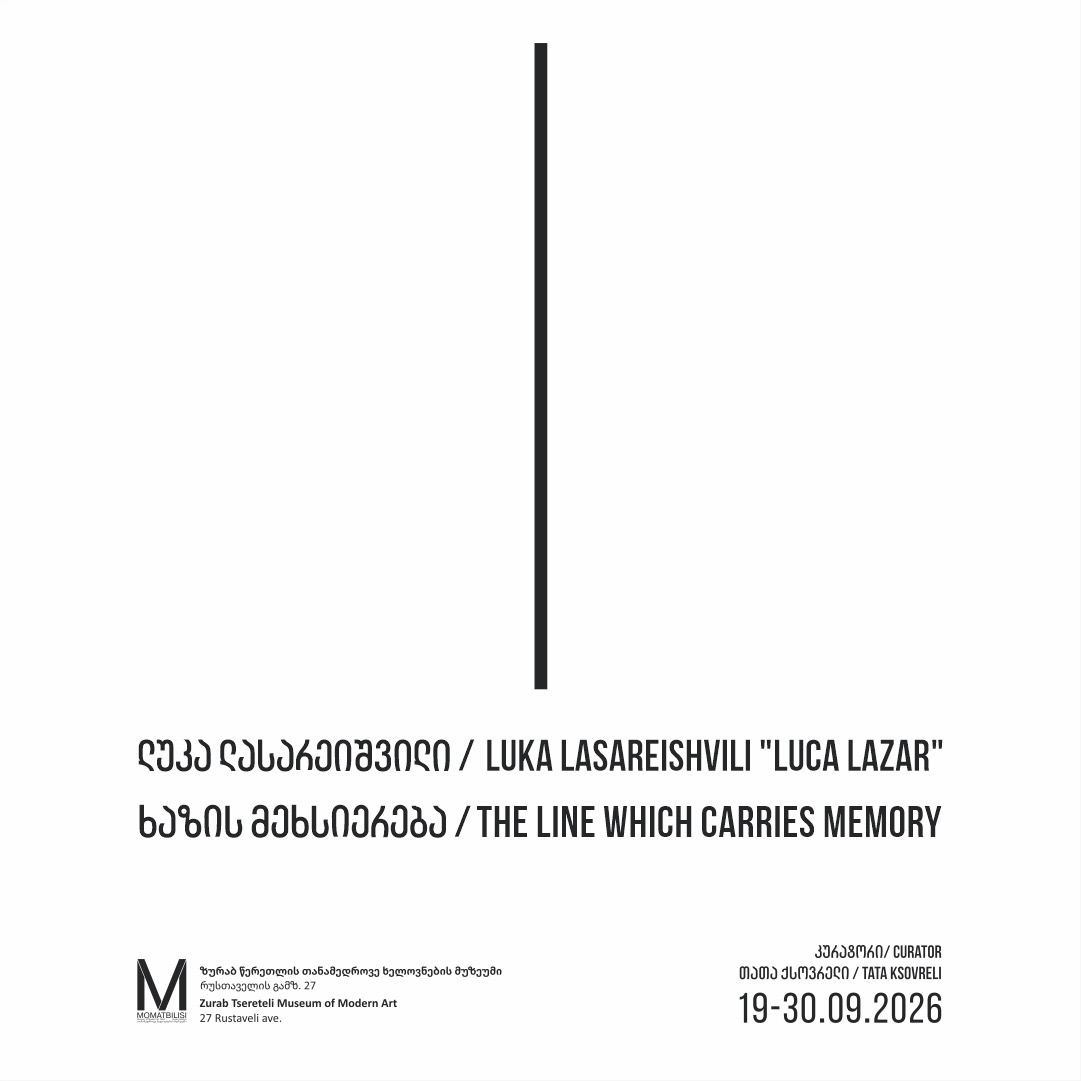
The Line Which Carries Memory
Luca Lazar
Before the line becomes form, it is a gesture.
In Luca Lazar’s early drawings, the line does not seek to create a finished image. It moves, searches, hesitates, returns, collides with itself. Human bodies, animals, and fantastical creatures emerge from a single continuous impulse — a desire to understand and transform the world through drawing.
For Lazar, drawing was never merely illustration; from the beginning, it was a language. In childhood, the pencil became a means of speaking about what could not be expressed in words.
Decades later, this language underwent a radical transformation: the figure disappeared, narrative dispersed, and the line became a space in its own right.
The Line Which Carries Memory invites us to consider Luca Lazar’s practice not as a succession of artistic periods, but as the continuous movement of a single idea.
From gesture to geometry.
From the representation of movement — to the movement of the line itself.
What was intuition in the early drawings became a system in the later works.
The line has not changed. What has changed is the world it is capable of describing.